



Righteous Streetwear Sizing Guide Complete 2026 Guide

A Look at the Righteous Clothing Label: Is It Worth the Hype?
One question keeps coming up as search interest surrounding We Are Righteous has climbed steadily: does it genuinely hold up, or is clever marketing outrunning the actual product? What follows digs into what the label represents, how the clothing performs in practice, and where it sits against other streetwear labels people compare it to. No filler, no vague praise — just an honest breakdown built from what the brand communicates about itself and the feedback shoppers repeatedly share.
We Are Righteous markets itself as something beyond simply a clothing line. It draws heavily on faith-driven messaging, using apparel as a vehicle for identity and belief as opposed to simply seasonal trends. That angle matters because it shapes everything from the graphics on a righteous hoodie to the tone of the brand’s product descriptions. If you’re shopping for something purely trend-based, the message-driven approach may fall flat. Should you want garments that communicate something particular, it’s a whole different story.
What Does Righteous Clothing Actually Mean?
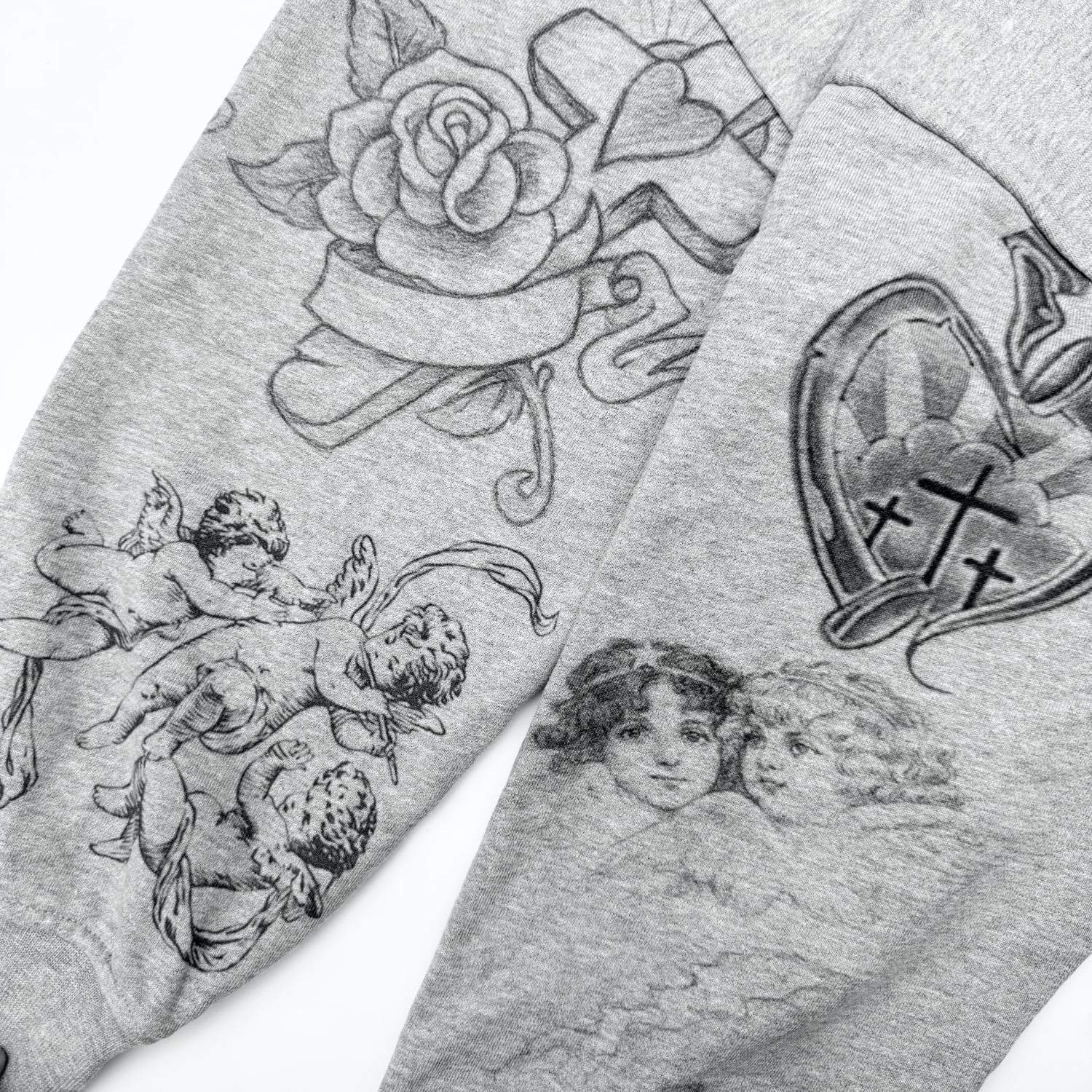
Righteous clothing is built around a simple premise: streetwear cuts carrying faith-rooted imagery and wording. Outerwear, tees, and hoodies make up the core of the lineup, with a design approach favoring bold typography and statement-driven visuals conviction streetwear over minimalist branding. This isn’t a quiet basics label — every piece is meant to communicate something the moment it’s spotted.
Its branding plays into a niche that has scaled up considerably over the past few years: faith-based streetwear. Different from typical faith-based clothing brands that depend on scripture references and church-merch aesthetics, We Are Righteous brand design takes more cues from contemporary streetwear norms — loose, oversized cuts, heavyweight fabrics, and graphic placement that mirrors what you’d see from mainstream hype labels. That crossover is one reason the brand keeps showing up in comparison searches in the same breath as bigger streetwear names.
Releases tend to be scarce rather than continuous, which creates urgency but also means items may not come back in stock. If you’re used to fast fashion’s always-available inventory, this can be an adjustment. For those already familiar with drop culture, it’s a recognizable pattern that reinforces the brand’s collectible feel.
What Customers Notice Most About Quality
Talk about quality across apparel brands tend to focus on three things: fabric weight, stitching durability, and print longevity. In the case of righteous apparel, hoodies are the item people talk about most, and the overall feedback points to a heavier-than-average fabric blend that keeps its structure after multiple washes. That added thickness is a deliberate choice — it suggests a elevated feel rather than a flimsy, factory-standard hoodie that pills after a month.
Graphic durability is the next big consideration. Graphic-heavy brands succeed or fail by the degree to which the graphics withstand repeated washing. Cracking, fading, or peeling prints are what most rapidly damages consumer trust, and it’s the detail most reviewers scrutinize first. Honest online review threads often note that the artwork hold up reasonably well when washed according to care instructions, though as is typical with most screen-print or puff-print streetwear, inside-out washing on cold extends the print’s life considerably.
A snug cut won’t be the default if you order your usual size, since fit here follows oversized streetwear norms— so size down instead. Such fit behavior is typical among most streetwear-adjacent labels, so it isn’t a red flag unique to this label — it’s just a fit philosophy customers should understand going in before ordering.
How Pricing Aligns With Value
According to the bracket a label occupies, value perception changes in kind. We Are Righteous sits in the mid-tier streetwear bracket — set higher than fast-fashion essentials while sitting under upscale designer streetwear crossovers. That middle positioning is intentional. This lets the brand incorporate heavier-weight fabrics and more elaborate artwork than an entry-level brand would manage, yet remaining accessible for a younger audience not ready to drop luxury money on a sweatshirt.
On top of that, restricted drops shift how value is interpreted. Restricted availability often boost resell appeal and brand loyalty, something streetwear culture has drawn from for more than ten years. Depending on what someone values, that scarcity model can be read as a benefit by those who value exclusivity, whereas it may annoy anyone expecting guaranteed restocks.
Righteous versus Competing Street-style Brands
What follows shows how We Are Righteous generally measures up relative to two categories it’s often lumped in with—trend-forward streetwear names and traditional faith-based apparel labels—which helps put the brand’s stance in context.
| Attribute | We Are Righteous | Trend-led Streetwear Hype Brands | Traditional Religious Clothing |
|---|---|---|---|
| Design Approach | Belief-centered messaging paired with streetwear cuts | Trend-driven, rotating prints | Scripture-heavy, ministry-shop look |
| Material Heft | Heavyweight hoodies and t-shirts | Fluctuates considerably depending on label and price point | Typically thinner, cost-driven fabric |
| Release Structure | Limited drops, replenishments not guaranteed | Limited releases, intense secondary-market interest | Generally always in stock |
| Pricing Tier | Mid-range streetwear pricing | Moderate-to-premium, often driven up by buzz | Low-to-mid cost |
| Target Buyer | Belief-driven, fashion-aware buyers | Trend-chasing, hype-driven customers | Congregational groups, everyday faith wear customers |
This table makes one thing clear: We Are Righteous holds a distinct niche rather than trying to be everything. The brand borrows conventional streetwear’s release-drop approach and material quality, all while retaining the faith-rooted foundation that traditional faith apparel is built on. That hybrid identity is arguably its biggest differentiator in 2026’s crowded apparel market.
Who Should Really Buy Righteous Apparel
Not every brand fits every shopper, and being upfront about that matters more than blanket praise. People hoping to express their faith in a contemporary yet wearable way will find Righteous clothing fits best — instead of dated graphic tees, it’s built on garments that could easily be taken for high-end streetwear on a quick look. If personal style and personal belief are both priorities, this brand bridges that gap better than most alternatives currently on the market.
Buyers who have no issue holding out for launch cycles, or accepting that a style might not restock, are also well suited to this approach. Buyers who need guaranteed year-round availability, or who prioritize the cheapest price point, may find the model less suited to their needs. That’s not a downside so much as an imbalance in expectations — streetwear-style release-based models were never designed for nonstop stock presence.
Younger buyers, particularly those already engaged with streetwear culture, seem to respond most strongly to the brand’s messaging. The graphic language speaks in a tone that feels current rather than dated, which matters enormously in a category where “faith apparel” has historically skewed toward older, more conservative design choices.
Final Verdict: We Are Righteous — Living Up to the Buzz?
Grounded in material craftsmanship, print durability, and a well-established brand identity, We Are Righteous has genuinely earned its expanding reputation rather than relying purely on marketing buzz. The hoodies are built with sturdier fabric than average budget streetwear, the prints hold up with adequate care, and the branding conveys authentic intention rather than coming across as a hastily tacked-on fad. This mix is what distinguishes brands that endure from ones that fizzle out after one hype cycle.
Limited drops are the reason fan-favorite styles can vanish and remain hard to find for a while — availability is the test of patience here. Those who hate the wait-and-refresh cycle will find that’s a legitimate consideration. However, customers looking for streetwear with real depth behind it will note that We Are Righteous review feedback is broadly favorable, and the brand’s market presence in 2026 reads more as a label settling into a defined identity.
Bottom line: the hype holds up when you look closely. It isn’t hype built on nothing — it’s buzz rooted in a product that largely lives up to what it claims, designed specifically for buyers who want their clothing to say something about who they are.